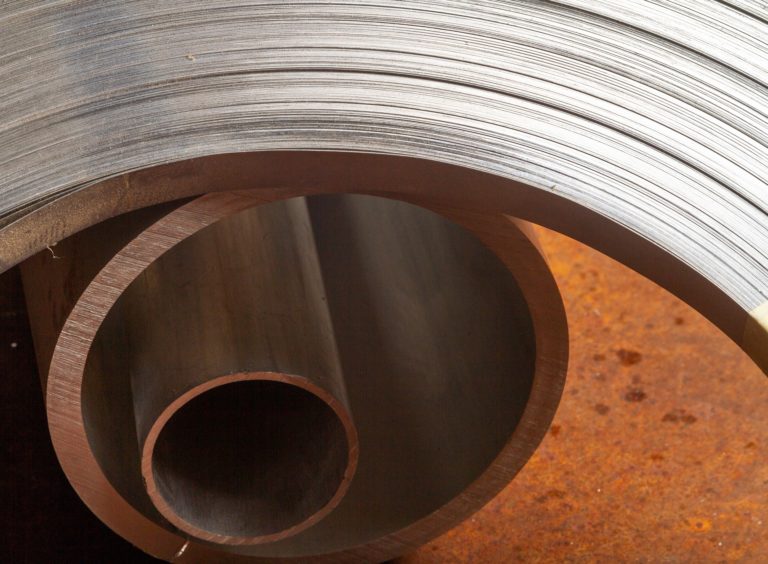
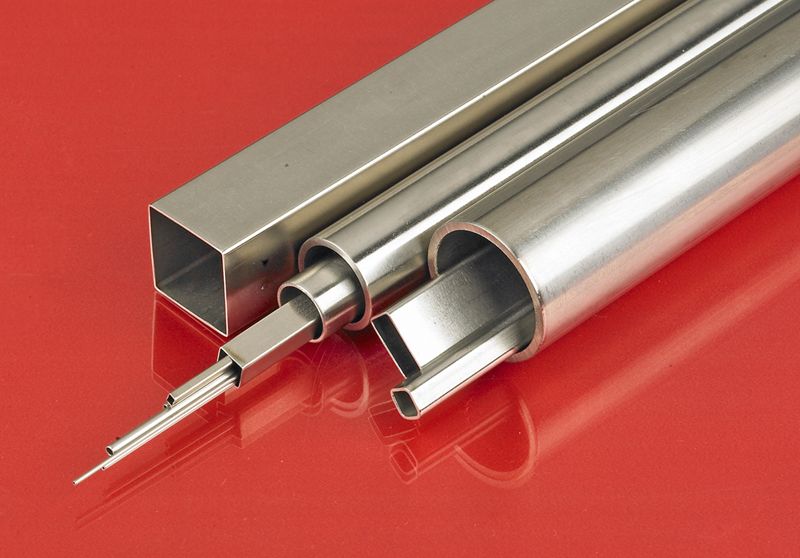
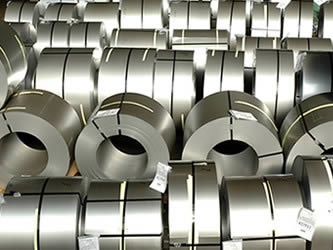
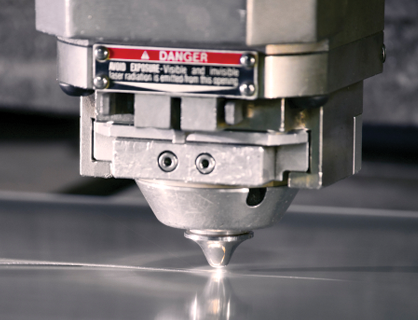
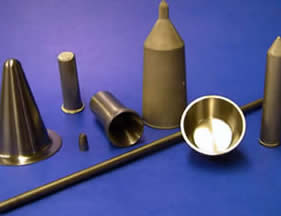
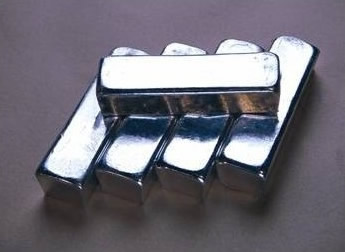
As titanium is a difficult substance to process, manufacturers who work with titanium typically begin their fabrication processes with either titanium sheeting or, for larger quantities, titanium plates which are already prepared for secondary fabrication. Read More…
All Titanium Metals is a leader in the titanium industry, embodying a commitment to excellence as your trusted titanium supplier. In our unwavering pursuit of providing top-notch commercially pure-grade titanium products, we take immense pride in our high quality products.
At Sierra Alloys, we have built our reputation around the strength, versatility, and precision of titanium. We dedicate ourselves to delivering high-quality titanium products that serve industries where performance, durability, and reliability are non-negotiable.

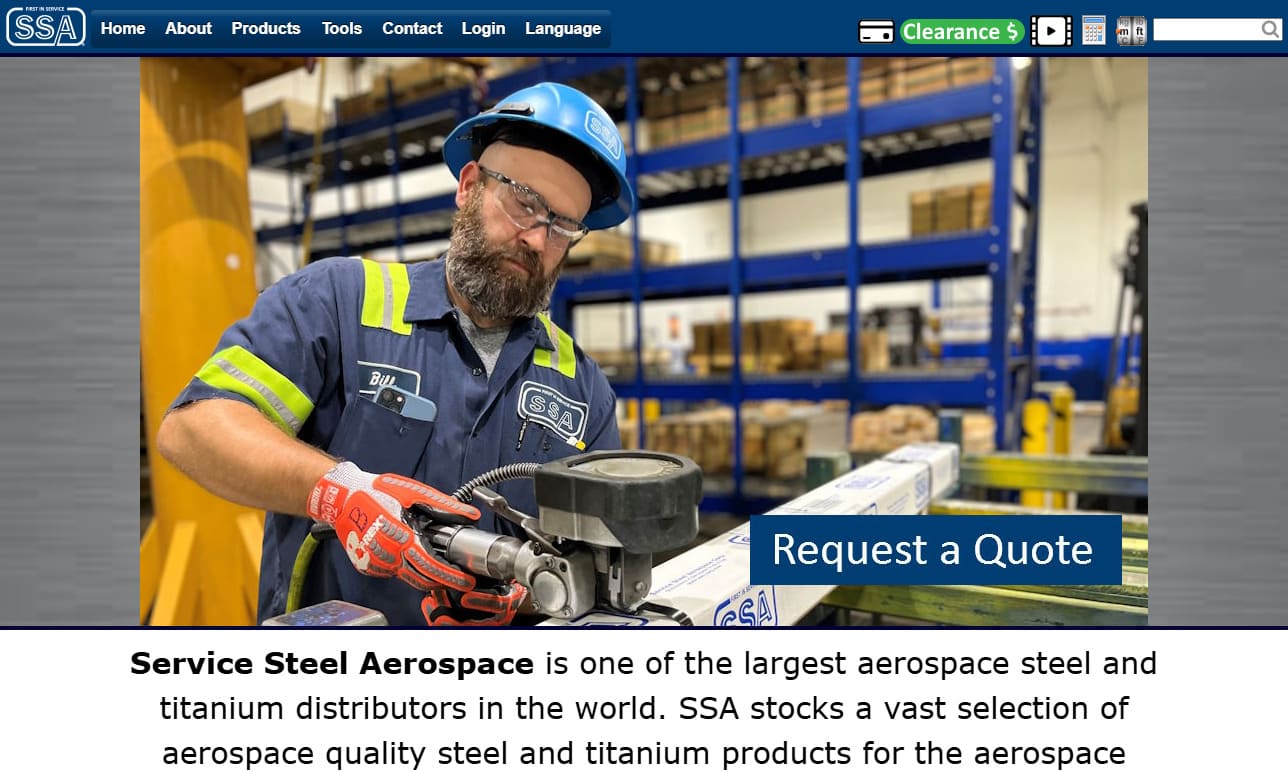
Service Steel Aerospace (SSA) is one of the largest titanium distributors in the World. SSA stocks titanium rounds, plate, block, billet, and ingot for the Aerospace and Defense markets, as well as other critical industries. We rely on our vast inventory to offer quick deliveries. SSA places the highest value on quality and customer service. SSA also offers value added processing such as cut to...

At Tricor Metals, we have built our reputation as a trusted partner in titanium products and solutions by combining material expertise with advanced fabrication capabilities. We work closely with customers across demanding industries to deliver titanium that meets exacting performance, durability, and safety standards.

At Reliable Source Inc., we have built our reputation on being a dependable partner for customers who require precision titanium products and expert support for critical applications. From the start, we have focused on combining material expertise with an unwavering commitment to quality, allowing us to deliver titanium solutions that perform under the most demanding conditions.

Diversified Industrial Products is a leading distributor of high-quality titanium tubing, titanium wire, titanium plate, titanium bars and titanium ingots. We serve a wide range of industries and markets with high-quality, durable titanium. Diversified Industrial has more than 25 years of experience.


More Titanium Sheet Suppliers
Titanium Sheets and Plates: Properties, Applications, and Buyer’s Guide
Titanium sheets and plates are high-performance, flat-rolled products fabricated from titanium ore that has undergone advanced processing to achieve exceptional strength, corrosion resistance, and lightweight characteristics. As a strategic engineering material, titanium is highly sought after for demanding applications across a variety of industries, including aerospace, marine, medical, automotive, chemical processing, defense, and manufacturing. In this comprehensive guide, you'll explore how titanium is produced, the unique benefits of titanium alloys, major use cases, and what to consider when sourcing titanium sheet and plate for your specialized project or operation.
How Are Titanium Sheets and Plates Manufactured?
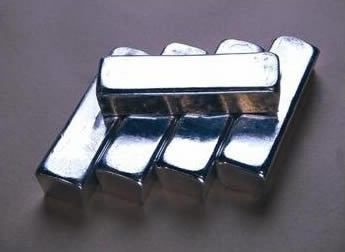
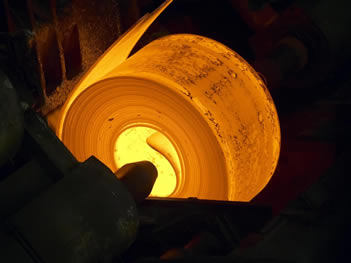
Titanium does not exist in its pure metallic form in nature; instead, it is primarily extracted from mineral deposits such as ilmenite and rutile. The initial step in titanium production involves refining these minerals into titanium tetrachloride (TiCl4), which is then subjected to the Kroll process—the industry-standard reduction method. In this process, titanium tetrachloride is reduced using magnesium in an inert atmosphere, resulting in a spongy, porous mass called "titanium sponge." This sponge is then melted, purified, and cast into ingots, which can be hot-rolled or cold-rolled into titanium sheet or titanium plate of varying thicknesses and dimensions.
After initial processing, titanium can undergo further secondary fabrication—such as annealing, forging, precision machining, and surface finishing—to meet strict engineering and quality standards for specific industry requirements. This rigorous production process contributes to the relatively high cost of titanium compared to more common metals; however, its unparalleled material properties justify the investment for many critical applications.
Why Choose Titanium? Key Properties and Benefits
Titanium offers a compelling combination of material advantages that make it the metal of choice for high-performance, long-lasting solutions:
- Exceptional Strength-to-Weight Ratio: Titanium exhibits mechanical strength comparable to many grades of steel, yet it weighs roughly half as much, making it ideal for applications where weight reduction is crucial.
- Outstanding Corrosion Resistance: Naturally forming a protective oxide layer, titanium resists attack from acids, chlorides, saltwater, and industrial chemicals—eliminating the need for galvanization or additional coatings.
- Biocompatibility: Titanium is non-toxic and does not provoke immune response, making it the leading choice for medical implants, surgical tools, and orthopedic devices.
- Thermal Stability: Titanium maintains its structural integrity and mechanical properties even at elevated temperatures, supporting use in high-heat environments such as jet engines and exhaust systems.
- Durability and Longevity: Titanium’s resistance to fatigue, wear, and environmental degradation means lower long-term maintenance costs and a longer service life—even in the harshest conditions.
- Fabrication Flexibility: Once processed from ore, titanium can be readily formed into sheets, plates, bars, rods, wire, and custom components via precision fabrication techniques.
When comparing titanium vs. stainless steel or titanium vs. aluminum, buyers often opt for titanium when maximum performance, reliability, and reduced weight are top priorities—particularly where corrosion resistance and biocompatibility are required.
Common Titanium Grades for Sheet and Plate
The performance characteristics of titanium sheet and titanium plate are influenced by their alloy composition. Common industry grades include:
- Grade 1 Titanium: Unalloyed, with the highest ductility and corrosion resistance. Ideal for chemical processing and marine applications.
- Grade 2 Titanium: The most widely used commercially pure titanium grade, balancing formability, strength, and corrosion resistance.
- Grade 5 Titanium (Ti-6Al-4V): The most popular titanium alloy, containing 6% aluminum and 4% vanadium. Offers superior strength, heat resistance, and is commonly used in aerospace, medical, and high-performance engineering.
- Grade 7 Titanium: Similar to Grade 2 but with enhanced corrosion resistance due to palladium content. Used in chemical processing industries.
- Grade 23 Titanium (Ti-6Al-4V ELI): Extra Low Interstitials, preferred for surgical implants and medical applications where premium biocompatibility and fracture toughness are required.
Choosing the right titanium grade is critical for matching performance requirements, cost, and regulatory standards. Learn more about titanium alloys and their applications.
Applications of Titanium Sheets and Plates Across Industries
Thanks to their outstanding properties, titanium sheets and titanium plates are specified for a diverse range of high-value, mission-critical uses:
- Aerospace and Aviation: Aircraft structures, jet engine components, heat shields, and fasteners benefit from titanium’s lightness, strength, and resistance to high-temperature oxidation.
- Marine and Offshore: Ship hulls, propeller shafts, underwater fasteners, and desalination plants utilize titanium’s immunity to saltwater corrosion, pitting, and biofouling.
- Medical and Dental: Surgical implants, prosthetic devices, dental implants, and medical instrument housings rely on titanium’s excellent biocompatibility and resistance to body fluids.
- Automotive and Motorsports: High-performance vehicle components—such as valve springs, connecting rods, exhaust systems, and drive shafts—are manufactured from titanium to reduce mass and increase strength under extreme conditions.
- Chemical Processing and Industrial: Reactors, heat exchangers, piping, and storage vessels in aggressive chemical environments are fabricated from titanium plate for safe, long-lasting service.
- Defense and Military: Armor plating, naval vessels, and missile components harness titanium’s strength, light weight, and resistance to ballistic impacts and environmental hazards.
- Electronics and Energy: Semiconductor and battery wires, fuel cell components, and solar panel frames are increasingly specified in titanium for reliability and longevity.
- Sports Equipment and Consumer Goods: Golf clubs, bicycle frames, tennis racquets, and premium eyewear frames are made from titanium for durability, comfort, and corrosion resistance.
- Aquariums and Saltwater Systems: Titanium is the metal of choice for pumps, heaters, and fixtures exposed to constant saltwater immersion due to its immunity to microbiological corrosion.
Buyer Considerations: How to Select the Ideal Titanium Sheet or Plate
When sourcing titanium sheet and titanium plate, several critical factors can impact performance, cost, and long-term value. Consider the following decision points to ensure optimal results:
- Grade Selection: Which titanium alloy or grade best matches your application’s mechanical, corrosion, and regulatory demands?
- Dimensions and Tolerances: What are the required thickness, width, length, and flatness tolerances for your component or assembly?
- Surface Finish: Do you need a specific finish or coating for aesthetic, functional, or process compatibility reasons?
- Certifications and Compliance: Must your titanium meet ASTM, AMS, ISO, or medical-grade certification standards?
- Quantity and Lead Time: Are you seeking prototype quantities, large production volumes, or custom-cut sheet and plate?
- Supplier Reputation: Is your supplier experienced with quality assurance, traceability, and responsive technical support?
Looking for tips on how to buy titanium sheet and plate? Contact our titanium specialists for expert advice or request a quote tailored to your project requirements.
Comparing Titanium to Alternative Materials
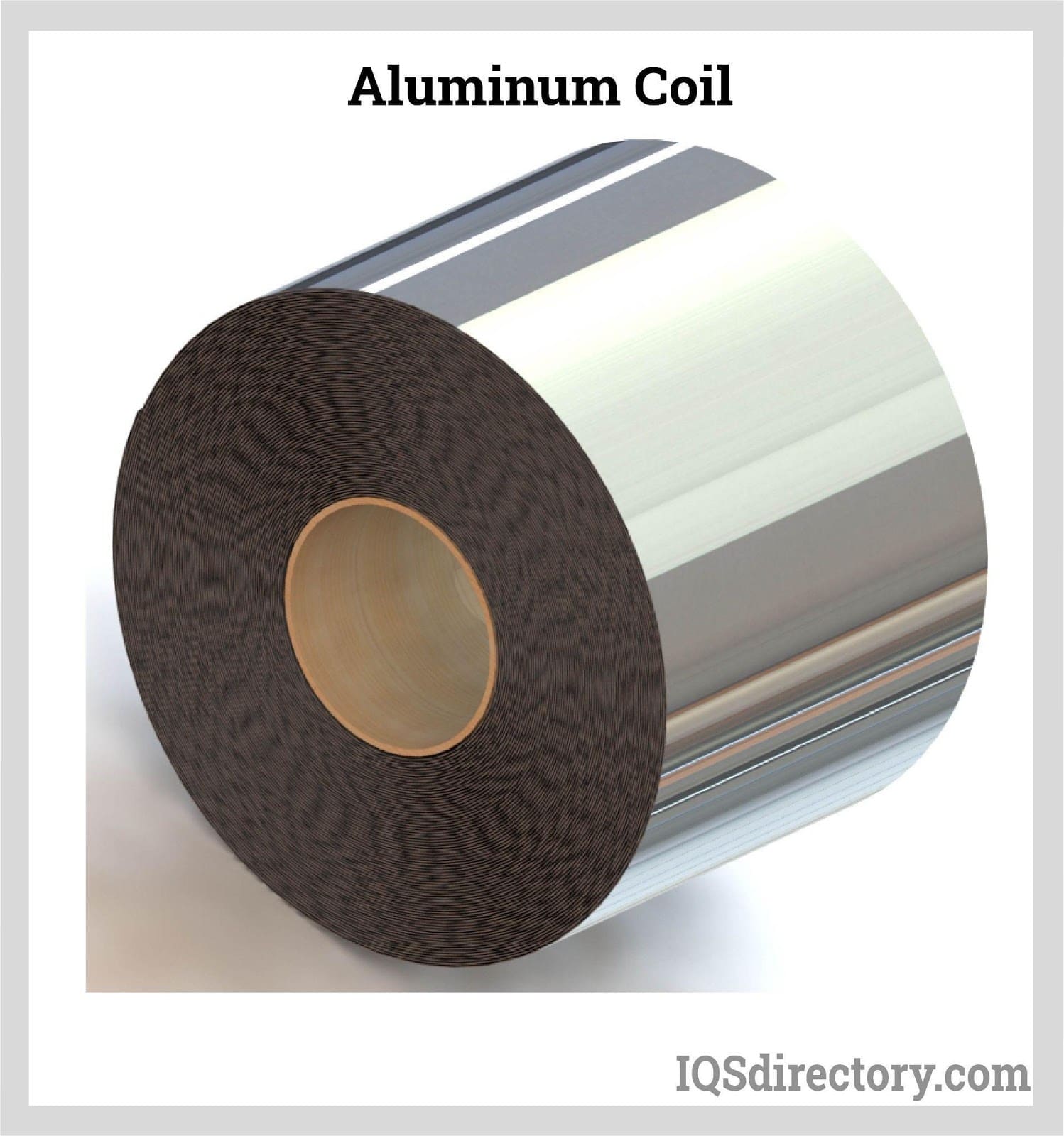
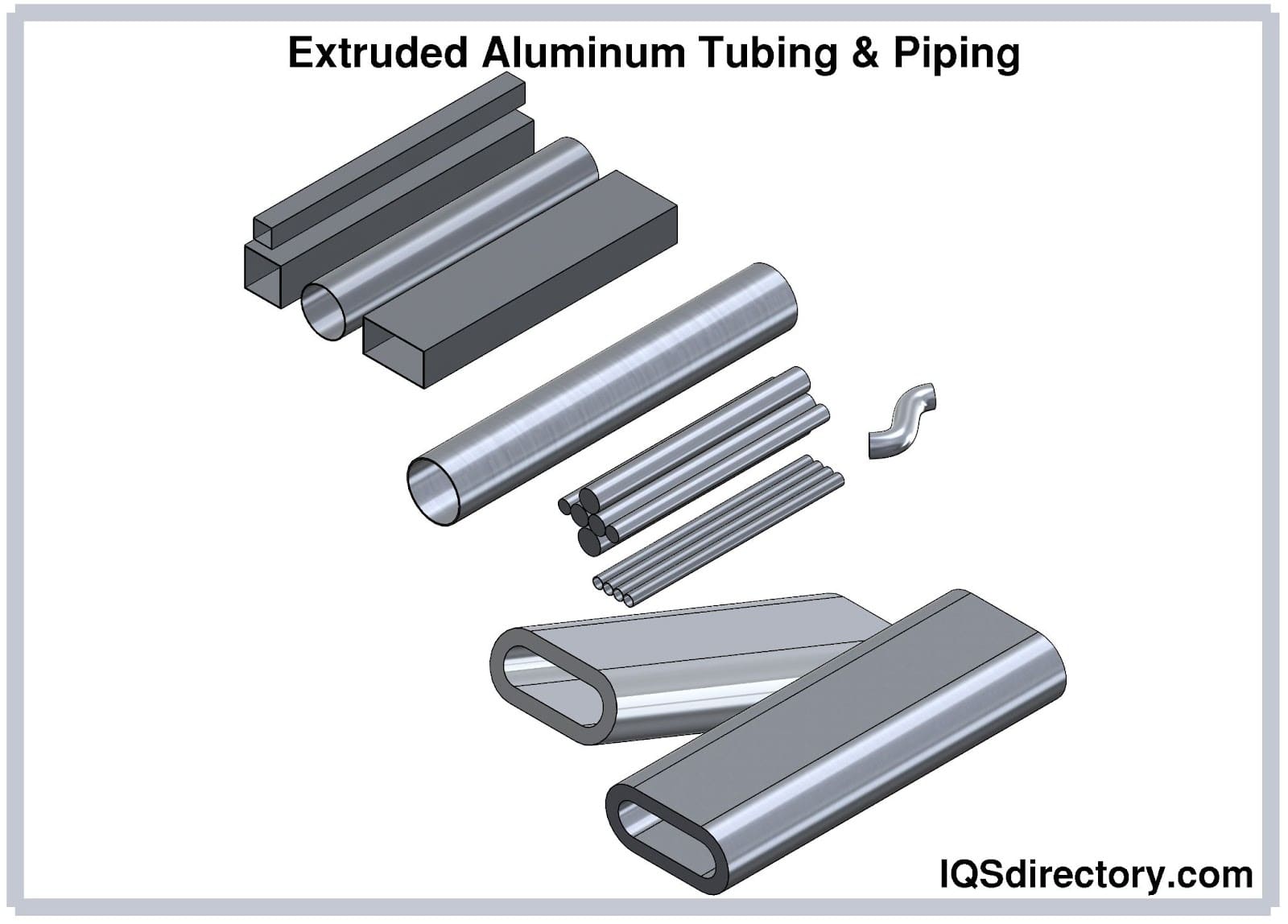
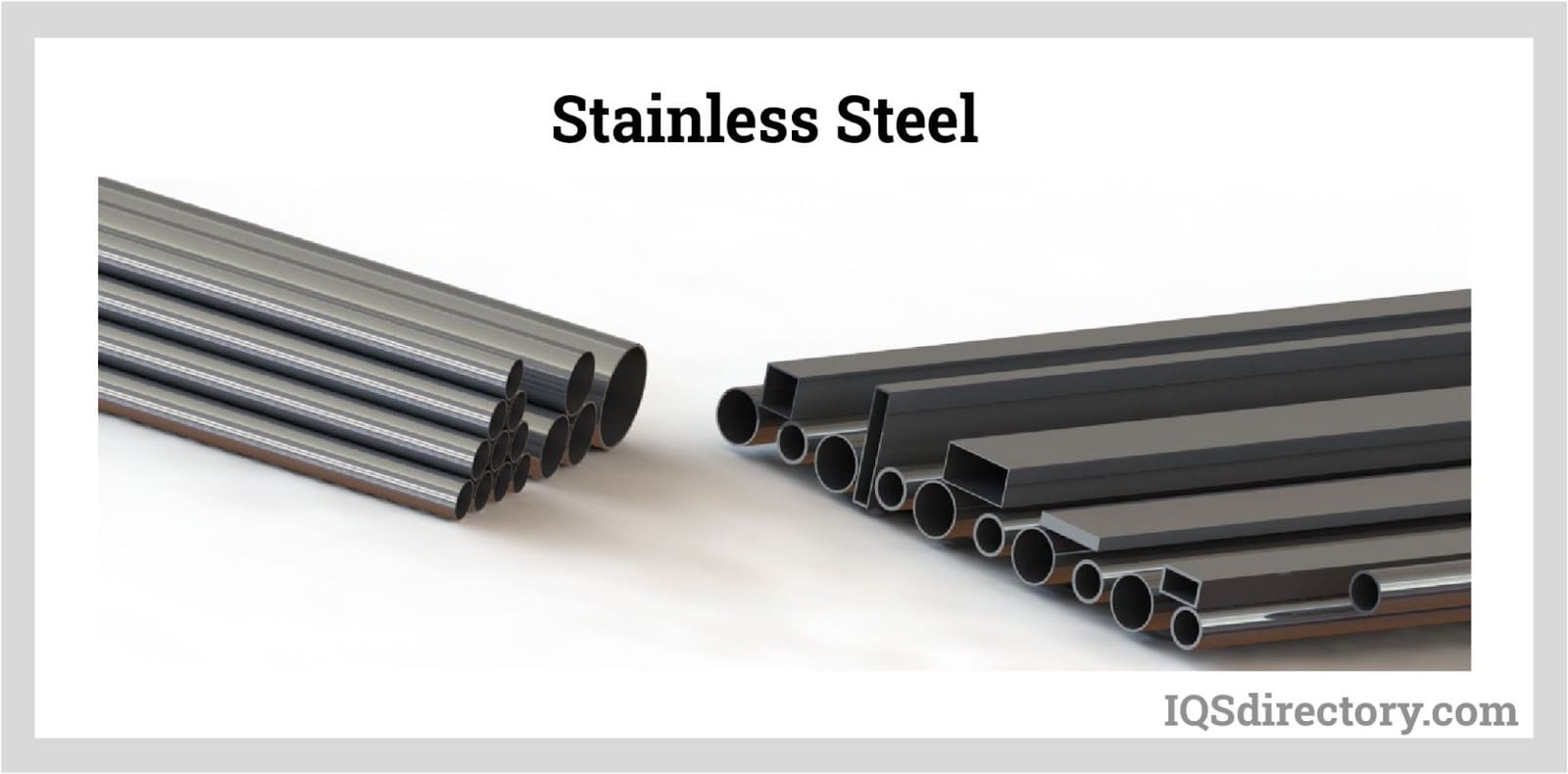
When considering titanium sheets and plates, it's important to evaluate how titanium compares to traditional materials such as stainless steel, aluminum, nickel alloys, and copper—especially in terms of performance, lifecycle cost, and sustainability:
- Strength and Weight: Titanium offers superior strength-to-weight ratio compared to steel and nickel alloys, enabling lighter, more efficient structures.
- Corrosion Resistance: Unlike aluminum or copper, titanium resists corrosion in both acidic and salty environments, reducing maintenance and replacement frequency.
- Cost and Availability: While titanium is more expensive upfront, its longevity and reduced need for coatings or replacements often make it a cost-effective choice for critical applications.
- Sustainability: Titanium is recyclable and its use can reduce the environmental impact of projects by minimizing material usage and extending product life cycles.
Frequently Asked Questions About Titanium Sheets and Plates
What are the standard thicknesses and sizes available for titanium sheet and plate?
Titanium sheet is typically available in thicknesses from 0.5 mm (0.02 in) up to 4 mm (0.16 in), while titanium plate covers thicker gauges—generally from 4 mm (0.16 in) up to several inches. Standard widths and lengths vary by supplier, but custom dimensions and cut-to-size services are widely available.
Can titanium sheets be welded, formed, or machined easily?
Yes, with proper technique and equipment, titanium can be welded, formed, and machined. However, titanium’s reactivity at high temperatures requires controlled environments and specialist knowledge to avoid contamination and achieve optimal results.
How does the cost of titanium sheet compare to other metals?
Titanium is more expensive than carbon steel, aluminum, or stainless steel, mainly due to its complex extraction and refinement process. However, for projects where weight savings, longevity, and corrosion resistance are paramount, titanium’s lifecycle cost can be highly competitive.
What industries most commonly use titanium sheets and plates?
Major sectors utilizing titanium products include aerospace, defense, energy, chemical processing, medical devices, marine, and high-end consumer goods manufacturing.
Is titanium recyclable?
Yes, titanium is fully recyclable. Scrap titanium from manufacturing and end-of-life products can be reprocessed into new titanium materials, supporting sustainability in advanced manufacturing.
How to Source Titanium Sheet and Plate: The Procurement Process
Looking to buy titanium sheet or titanium plate? The procurement process typically involves these key steps:
- Define Requirements: Specify grade, dimensions, tolerances, surface finish, and certifications needed for your application.
- Identify Qualified Suppliers: Research reputable titanium manufacturers and distributors with proven track records in your industry.
- Request Quotes: Obtain detailed quotations, including lead time, minimum order quantity, and any secondary processing options.
- Evaluate Offers: Compare quality, pricing, support, and warranties to ensure the best overall value.
- Place Order and Track Delivery: Once a supplier is chosen, place your order and monitor production and shipping to stay on schedule.
Need help identifying top titanium sheet and plate suppliers? Connect with our team for recommendations and sourcing strategies.
Use Cases: Real-World Examples of Titanium Sheet and Plate in Action
Aerospace: Modern commercial aircraft, such as the Boeing 787 Dreamliner and Airbus A350, utilize titanium sheet and plate extensively in wing structures, landing gear, and engine components—reducing aircraft weight, increasing fuel efficiency, and extending component lifespan.
Medical: Titanium plates are the gold standard for reconstructive surgery, bone fixation, and cranial implants due to their biocompatibility and MRI-compatibility. Sheet titanium is used for surgical instrument housings for its ease of sterilization and inertness in biological environments.
Marine: Submarines, deep-sea exploration vehicles, and desalination facilities rely on titanium’s resistance to saltwater corrosion, enabling safe, reliable operation where other metals would fail rapidly.
Chemical Processing: Titanium plate heat exchangers and reactors provide leak-free operation in aggressive acid and chloride environments, reducing downtime and maintenance costs for chemical plants.
Ready to Get Started? Your Next Steps
If you’re planning a project that demands the unique benefits of titanium sheet or titanium plate, take the next step:
- Contact an expert: Speak with a titanium specialist for personalized product recommendations and technical support.
- Request a quote: Get competitive pricing and lead time for your desired grade and dimensions.
- Browse resources: Review our detailed articles on titanium uses, titanium properties, and titanium manufacturing techniques to deepen your understanding.
- Compare options: Evaluate titanium against stainless steel, aluminum, or nickel alloys with our in-depth comparison tools.
Conclusion: Unlock the Advantages of Titanium Sheet and Plate
Titanium sheets and plates represent the pinnacle of high-performance material solutions for industries where strength, corrosion resistance, lightness, and longevity are non-negotiable. Whether you’re designing for aerospace, marine, medical, or industrial environments, titanium provides a proven advantage over traditional metals—delivering greater reliability and lower lifecycle costs. By selecting the right titanium grade and supplier, you can ensure your next project achieves maximum success, safety, and value.
Still have questions about titanium sheet or titanium plate? Ask our experts or browse our knowledge base for more insights on sourcing, processing, and applying titanium for your industry.